| PlayStation 3 | Xbox 360 | PlayStation 4 | PC |
| Reviewed on: PlayStation 4 |
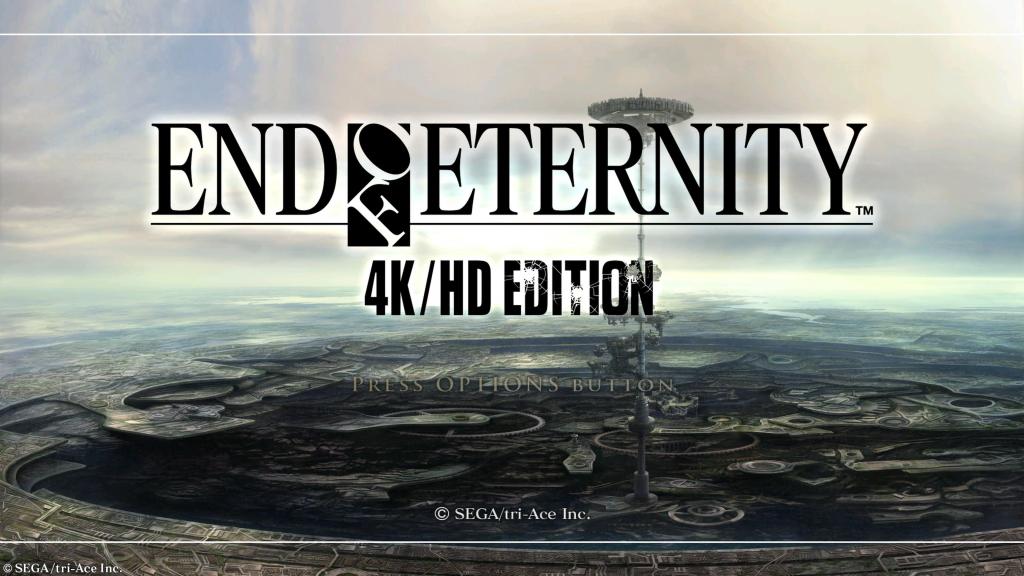
Certain games transport me back to a time when creativity was at the forefront of the industry. Resonance of Fate, also known as End of Eternity, is one of those titles. A product of a partnership between tri-Ace and Sega, this project was intended to be “a big pillar title in the RPG genre“.
It didn’t turn out to be a massive hit, though I’d still argue that the game succeeded in a certain aspect. Resonance of Fate isn’t perfect, but nobody can write it off as generic. Its mechanics and atmosphere still remain unreplicated, which is all the more reason enthusiasts of the genre should at least give it a try.
Horrible Execution or A Lack of Explanation?
Resonance of Fate’s battle system is truly one of a kind. It doesn’t play like a traditional RPG, with the only similarity I can think of being Sega’s own Valkyria Chronicles. Like that game, Resonance of Fate features a mix of turn based and real time combat, but the similarities stop there.
Attacking enemies in general is pretty unorthodox, requiring players to deal two different types of damage to pull off anything substantial. Skirmishes are also flashier and more hyper-cinematic, seemingly influenced by over-the-top action movies from the early 2000s. Despite its flair, battle requires extreme awareness of your party’s positioning since one slip-up can result in a loss, which is something that will happen often.
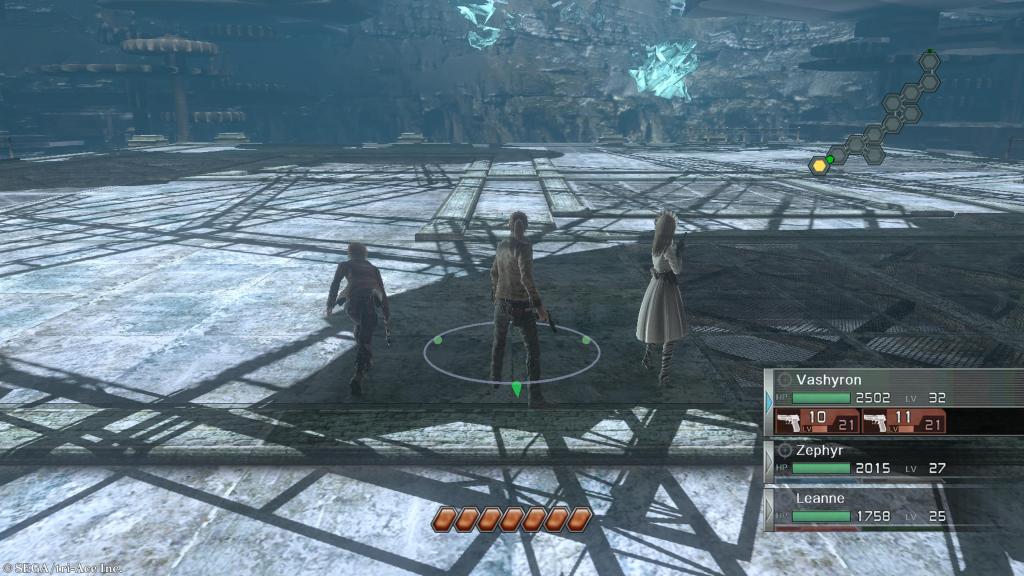
Resonance of Fate is unforgiving, so much so that it’s remembered more for its difficulty than its creative mechanics. I don’t blame this on the mechanics themselves, but the lack of a thorough tutorial explaining how they work. Resonance of Fate’s combat is complex, with an understanding of even the most fundamental aspects being necessary to overcome the game’s challenge.
There’s so much depth to the gameplay that a detailed explanation of everything would result in this review being too lengthy. When it clicks, it’s immensely satisfying and rewards players who really strategize their approach. However, without a proper tutorial, most won’t be able to tolerate the difficulty, and this is what I believe prevented Resonance of Fate from being a massive success.
A Steampunk Marvel
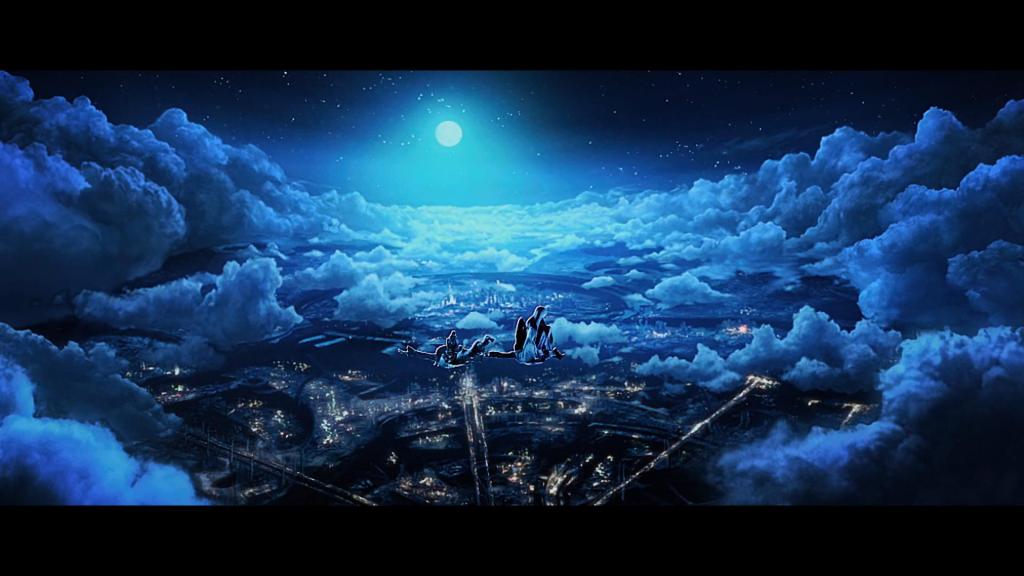
like its combat, the setting of Resonance of Fate is exclusively its own. Blending elements of steampunk and fantasy, it really creates a setting that’s rarely seen in video games even today. It manages to walk a thin line, one that stands between a universe that’s mythic yet believable.
There’s a surprising amount of realism to the world. As you explore, it becomes apparent that this society is hierarchical. This caste system is also visually represented, with the low-ranking members of society residing on the lower levels of Chandelier, while the bureaucrats live on top.
The soundtrack further enhances the overall atmosphere. Appropriately lending itself to the game’s locals, the music matches the scenery, successfully establishing a vibe. The composers went above and beyond with score, evening going as far as creating different variations of songs to accompany Resonance of Fate’s day and night cycle.
More Than Just Relating
Resonance of Fate doesn’t just buck trends in terms of game design. Its story structure also stands out from other JRPGs. Surprisingly organized, the format helped me easily keep track of side-quests and complete them all on my first playthrough.
Plot progression is episodic compared to other games. However, the chapters lack cohesion, feeling like a series of separate arcs instead of a singular narrative. This may lead some to dismiss Resonance of Fate as uneventful or even assume it lacks an overall objective, since the game doesn’t spend its opening hours establishing an antagonist.
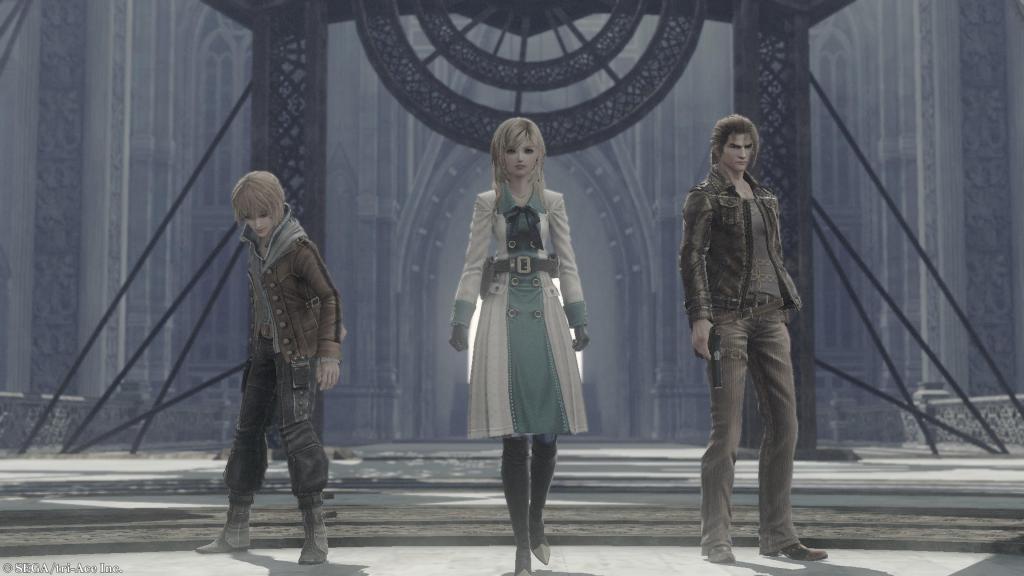
In contrast, it has its three protagonists, Vashyron, Zephyr, and Leanne, taking on mercenary work and various odd jobs for income. It lacks grandiose, but I’d argue this serves to normalize and flesh out the trio. Many games have managed to make me “relate” to characters, but with Resonance of Fate, I left feeling like I “knew” them.
Every mission I took with Vashyron, Zephyr, and Leanne further cemented their personalities. Routinely hearing their banter, seeing them interact with the supporting cast, and even little details like seeing each of their rooms provided extensive insight into who they are. This level of understanding elevates Resonance of Fate’s characters amongst some of my favorites within video games.
Genuinely Underrated
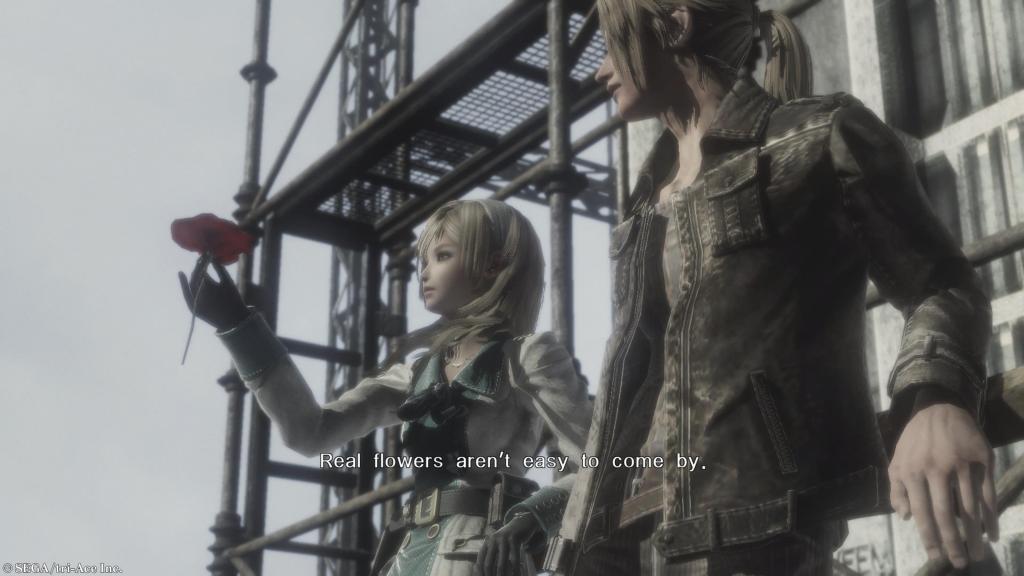
Though it has its pitfalls, one could argue that Resonance of Fate wasn’t given a fair shake when it released. In my region, it launched only a week after Final Fantasy XIII, which most likely prevented it from gaining the traction it needed. A shame, given just how much Resonance of Fate has to offer.
The battle system is still unique amongst other JRPG’s and my time adventuring with the cast stuck with me even after the end credits. Still, this game isn’t without its rough edges. A more detailed and structured tutorial could’ve been implemented to help players handle its difficulty.
While the challenge may be an obstacle for most, I still recommend giving Resonance of Fate a chance. Though it’s a bit of a buzzword these days, it’s disheartening that this game is as underrated as it is. In today’s current landscape, where difficult games like Elden Ring are held in high regard, I can’t help but wonder if Resonance of Fate might finally find the recognition it deserves.

 Gaming Resurged
Leave a comment