I intended to write up my thoughts about the Switch 2 shortly after its reveal. I was trying to sugarcoat my opinions, but after many scrapped drafts, it’s time to stop tiptoeing around this subject. People have their own reasons for either supporting(which is okay) or rejecting(which is also okay) the Switch 2.
However, I’m noticing some heavy extremism. People are going as far as telling others how to spend their money or fiercely defending a company that only sees them as a number. I want to go over my feelings about the Switch 2, as well as the tribalism I’m seeing, because frankly, it’s shaped my thoughts on the console just as much as Nintendo’s mishandling of it.
Have “U” Forgotten?
I rarely even participate in discussions about the Switch 2. Mainly because I see it as mostly unproductive, lacking both depth and context. There seems to be many dismissive attitudes towards criticism, and I’ve seen this mindset before with the Wii U.
If you were gaming back then, odds are you remember what happened with that system. It came after a highly successful and innovative console that shattered records, yet it failed to capture the same momentum. Similar to the Switch 2, people had criticized the Wii U, but those overly defensive of Nintendo’s brand weren’t very accepting of legitimate critiques.
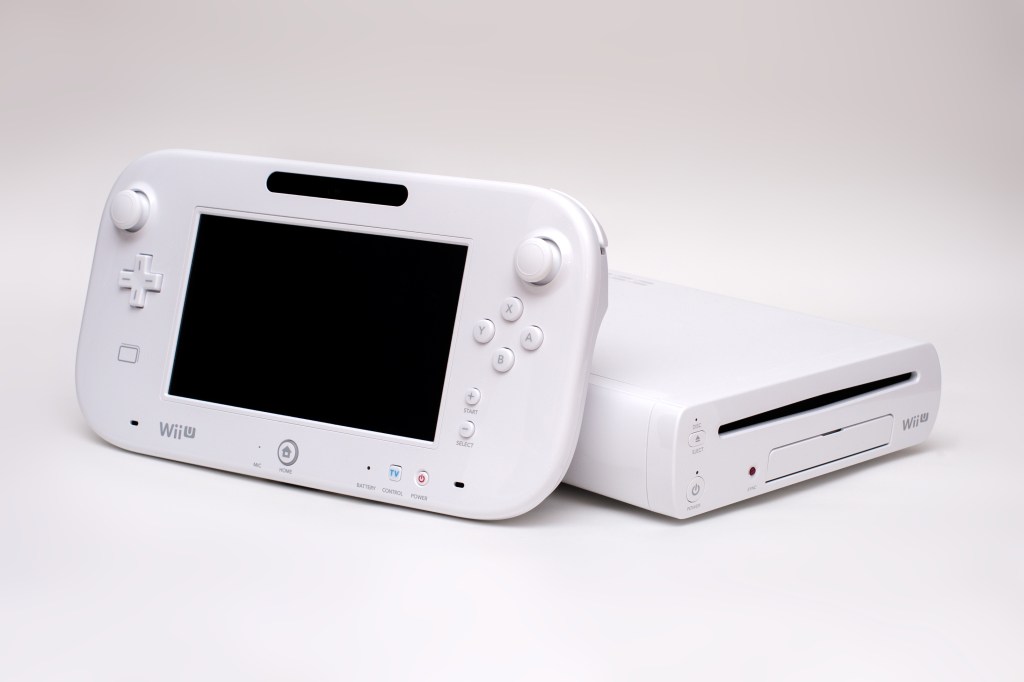
When I say “overly defensive”, I’m actually being pretty polite in regards to how the behavior actually was. The excuses being made for the rough marketing, lack of third-party support, and frequent software droughts were ridiculous, to the point some even breached the realm of conspiracy. Nothing was ever Nintendo’s fault.
They weren’t responsible for the confusion on whether the gamepad was an add-on to the original Wii; it was the gaming media. They weren’t supposed to make the Wii U enticing enough for third parties to support it; it was supposed to happen automatically, regardless of the small install base. Some fans even went so far as to accuse some third parties of deliberately trying to sabotage the system by porting over games with little to no DLC included.
It’s common sense that corporations operate solely to make the most money possible. If bringing games over to Wii U would’ve achieved that, it would’ve happened. Even if some companies dislike Nintendo, petty feuds would take a back seat to their love of profits.
Same Old Blame Game
Just like with the Wii U, there’s a trend of tribalism within the gaming community, which is amplified more than ever thanks to social media. It’s been over two months since the Switch 2 presentation, and there’s still a staggering amount of influencers either defending Nintendo’s nickel and diming or farming outrage from the console(which some of them hypocritically purchased). I’d usually refrain from voicing my dislike of influencers, but the Switch 2 shows just how fake the majority of them are.
It’s the same old blame game. Once again, Nintendo, despite now having dedicated presentations, wasn’t responsible for the confusion regarding the price of Mario Kart World. Nope, instead it was a bunch of big, bad people spreading “misinformation”. It’s still everybody else’s fault except for Nintendo’s.
Miscommunication Vs. Hubris

The discourse is causing many to draw parallels between the Wii U and Nintendo’s new system. Some say the company has adopted a cocky mindset from the success of the original Switch just like it had with the Wii. Personally, I don’t think this is true.
I don’t believe people were dissatisfied with the Wii U as a result of hubris; in fact, I’d argue that most weren’t really dissatisfied. A better word, in my opinion, would be “confused” or “uninterested”. The Wii U’s performance was a consequence of unclear marketing and the failure to realize a good concept, i.e., the gamepad.
The Switch 2 sparked frustration, which didn’t come from confusion or some accidental lack of clarification. It has never been a victim of disinterest, and the masses have been highly anticipating the system long before it was even announced. What we’re seeing now is people getting angry from a company pushing the envelope.
The Detriments of Deflection
A lot of loyalists are attempting to invalidate this anger by bringing up the business decisions of Sony and Microsoft. Like Nintendo, the two companies have announced price hikes (allegedly in response to U.S. tariffs). I never understood the point in using deflection to defend people or corporations, as it doesn’t justify an act, but only proves that others are doing it.
Deflecting bad actions further enables those actions, and I’ve never given any company grace for doing something anti-consumer. For example, Doom: The Dark Ages was my most anticipated game of this generation, yet I haven’t bought it due to poor handling of its physical release. I’m not exclusively targeting Nintendo, I’m holding them to the same standard as I do with any other company.
None of them are my friends, and I won’t use tariffs or the current cost of making games as excuses for exploitation. Why should I? Are they going to make exceptions for me if I lose my job, get evicted, or if my cost of living increases?
In order to foster more realistic perspectives, these are the types of questions consumers need to start asking themselves. I’m not a psychologist, but I don’t need to be one to see the detriment and danger that parasocial relationships bring. There’s no harm in someone buying the Switch 2, Mario Kart World, or even Doom: The Dark Ages, but I do think actively going out of the way to silence the criticisms regarding any of them is unhealthy.
Acceptance and Moving On
If you haven’t guessed, I’m not getting the Switch 2. I’m almost in the same situation that I was with the Wii U years ago. Nintendo unveils a console with great-looking first-party titles as always, but most of the third-party offerings are ones I already own or have access to on more powerful systems.
Only this time, they are overreaching, charging for game chat(an already industry standard usually free of charge), using “variable pricing” to justify increasing MSRP, and pricing their system dangerously close to the competition(which is already technically superior, with more powerful iterations coming soon).
I’ve little reason to hold my head down. Like many others, I own a backlog of games that’ll last me a lifetime, and I also have access to some highly anticipated upcoming games via PlayStation 5 and the original Switch. Once those lose support, however, I guess it’s just retro games from then on.
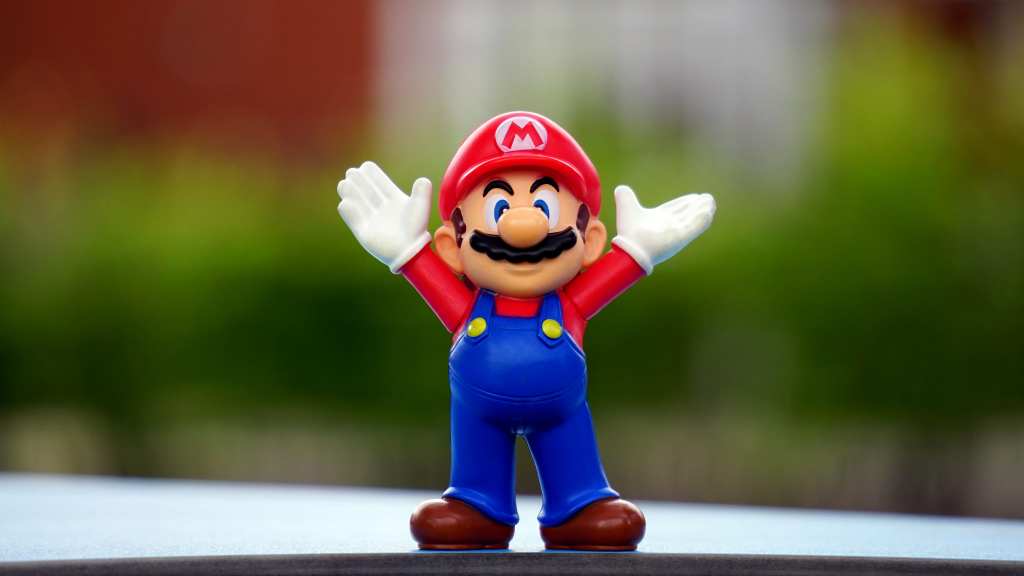
I heard criticisms of others doing the same. Either by slinging insults along the lines of good riddance or saying we’ll all be back when the next big Mario or Zelda gets announced. It doesn’t bother me anymore because I see the behavior for what it is. It’s nothing more than people projecting their insecurities onto those who don’t agree with them because their admiration for a company mutated into an obsession.
Not everyone who has issues with the Switch 2 turned around and bought it. Not all of us are driven by the fear of missing out(FOMO) or need validation from an entire community to be hype or dissatisfied about video games. For all the past complaining that I’ve done about the industry, I simply looked at my backlog, saw games that I love and some unopened ones I have yet to even play, and realized that I don’t have to support it.
Whether anybody else chooses to do so is none of my business or concern, and I hope everybody has fun gaming with whichever route they take. I know the phrase is generic, but life is too short. And if you love video games, it’s certainly too short to spend more time arguing about them instead of playing them.

 Gaming Resurged


Leave a comment